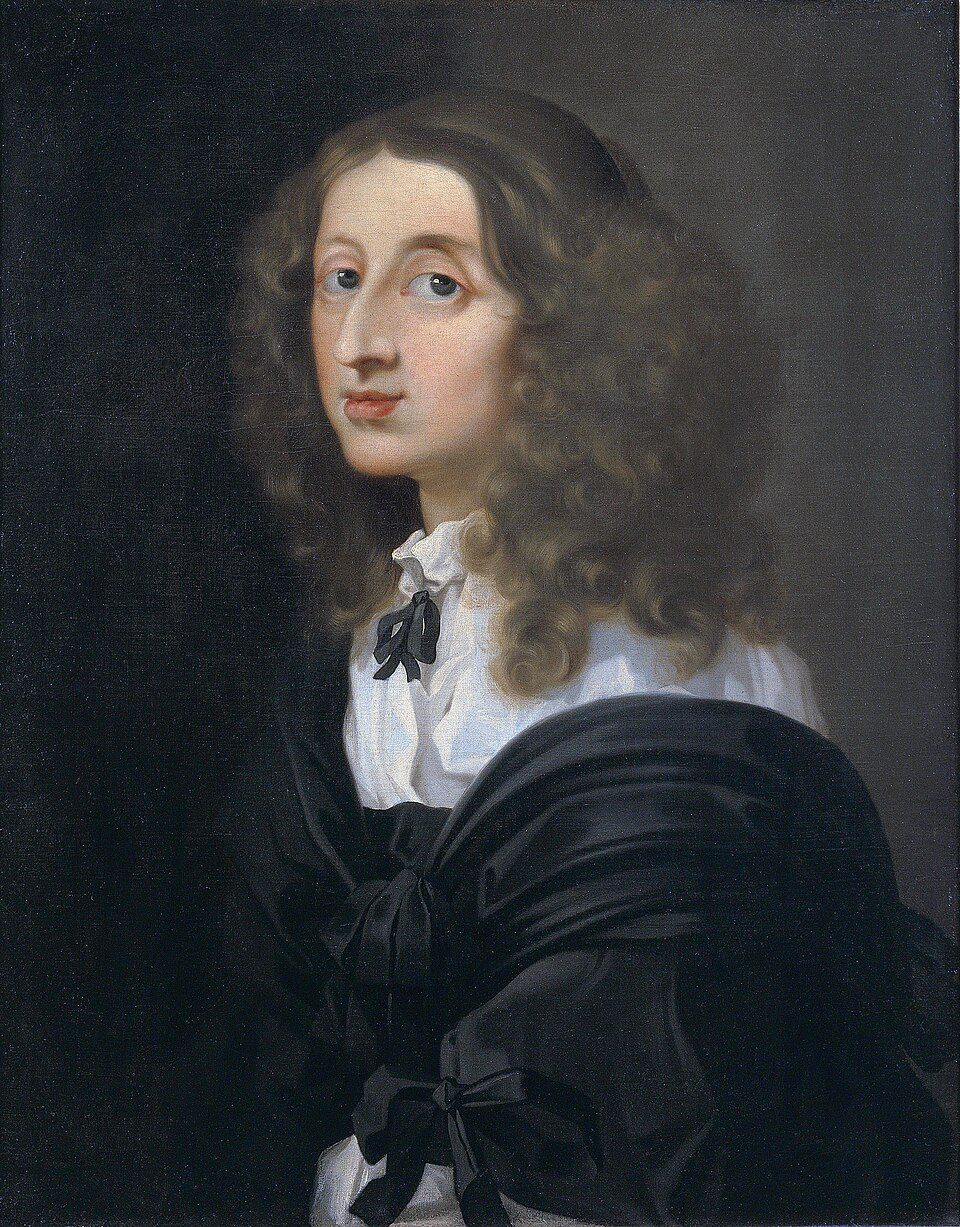
Queen Christina of Sweden was born in December 1626. Her father, Gustavus Adolphus, was killed by troops of the Holy Roman Empire at the battle of Lützen when she was five. In the autumn of 1647 she was twenty, had been ruling in her own right for three years, and was one of the most learned people in Europe. She would study for up to ten hours a day, learned at least eight languages, and gathered scholars at her court: Hugo Grotius came to Stockholm in 1645, and in 1649 Isaac Vossius arrived to teach her Greek.
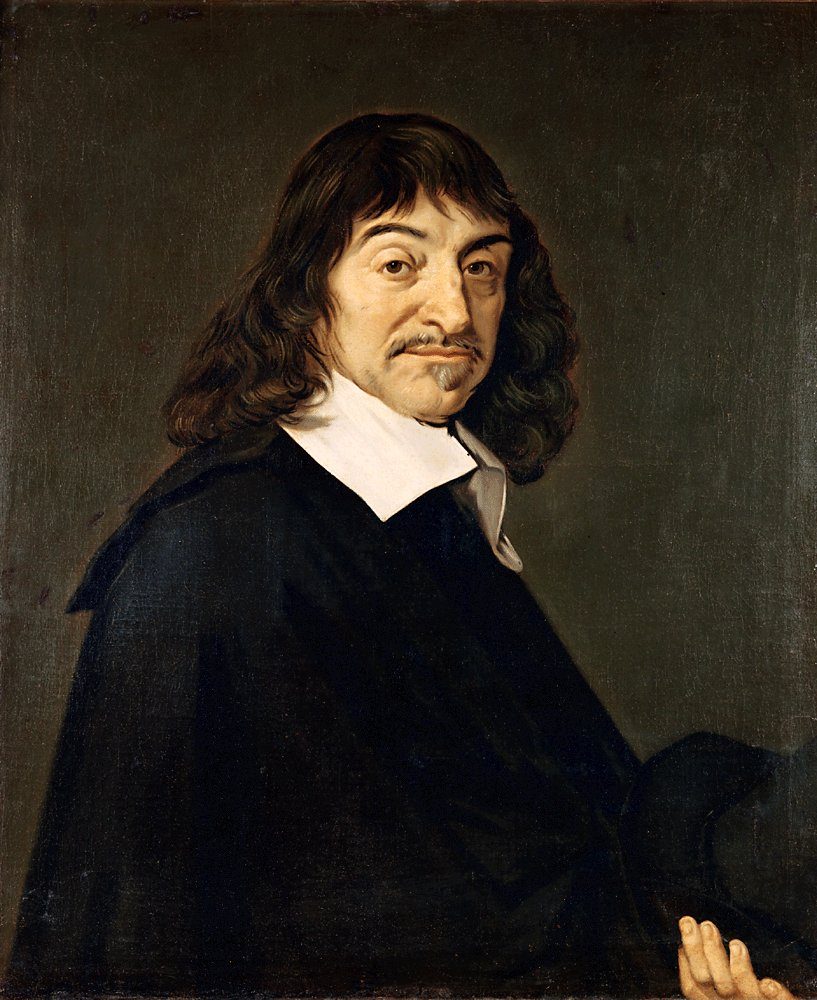
She also corresponded with René Descartes, putting questions to him about love, about whether the world could be infinite, and about the supreme good.
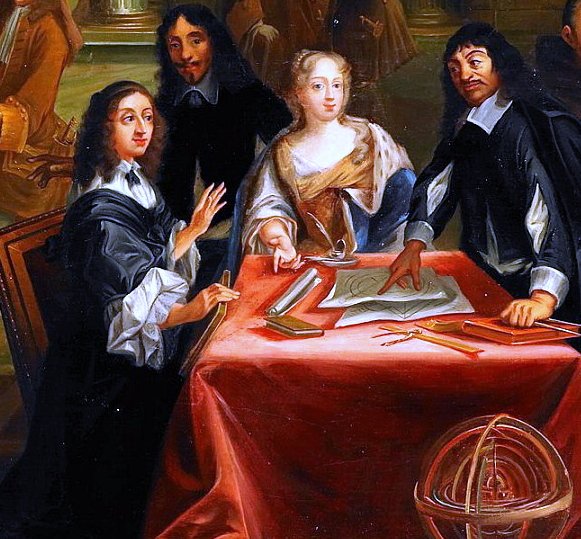
In 1649 the Queen invited Descartes to Stockholm. He arrived in October. She wanted her philosophy lessons early in the morning. He caught pneumonia that winter and died in Stockholm on 11 February 1650.
This painting was made about a century later, and imagines what their meetings looked like.
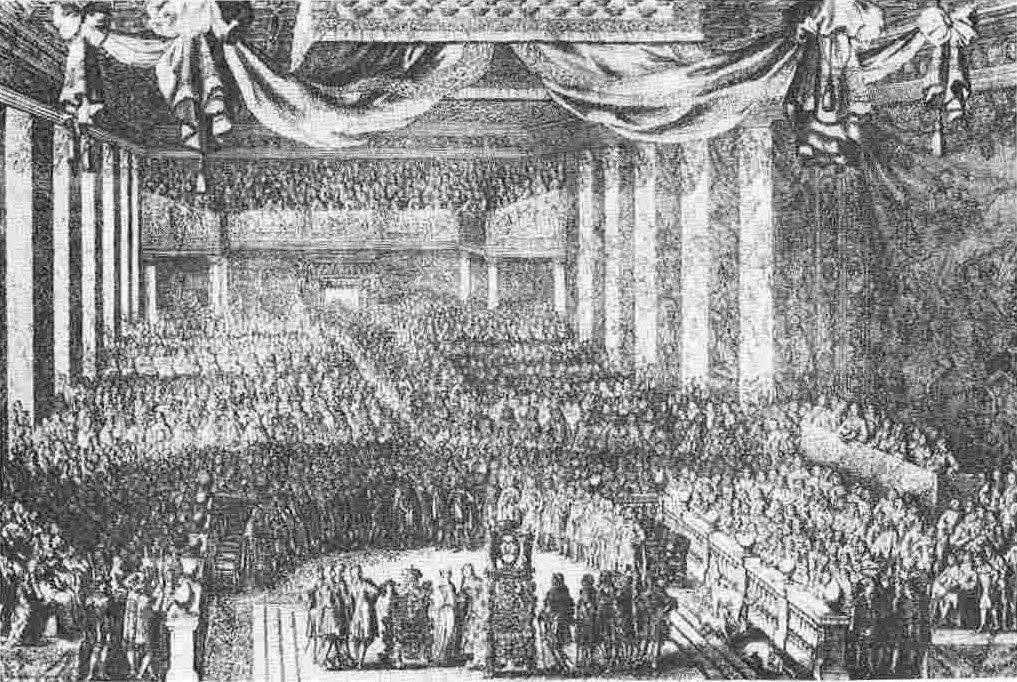
Christina gave up the throne in 1654 and spent most of the rest of her life in Rome.
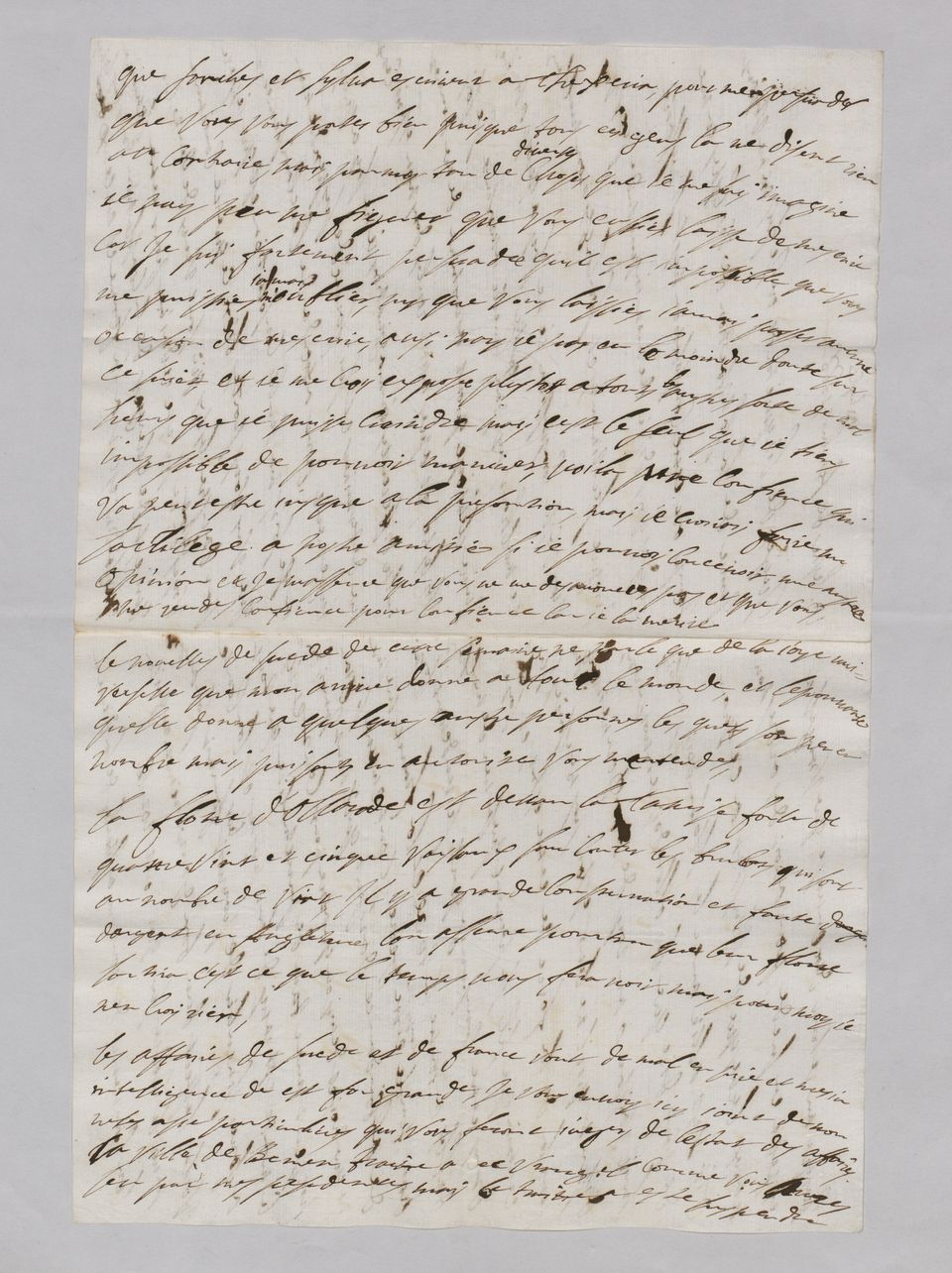
Here is an example of her handwriting, from one of her letters of the 1660s to Cardinal Decio Azzolino in Rome.
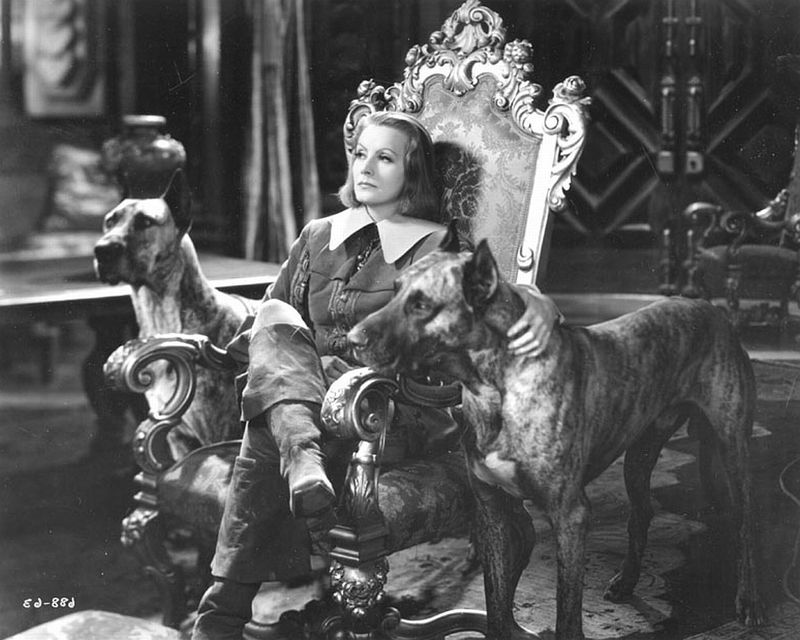
In 1933 Greta Garbo played Queen Christina. In the film, Christina gives up the throne for love of a Spanish envoy. The story was conceived by Salka Viertel, Garbo’s friend, who hosted meetings of German exiles in Los Angeles in the 1930s and 1940s (Viertel appears in another simulation under development at ux-phi, set in Los Angeles in 1943).
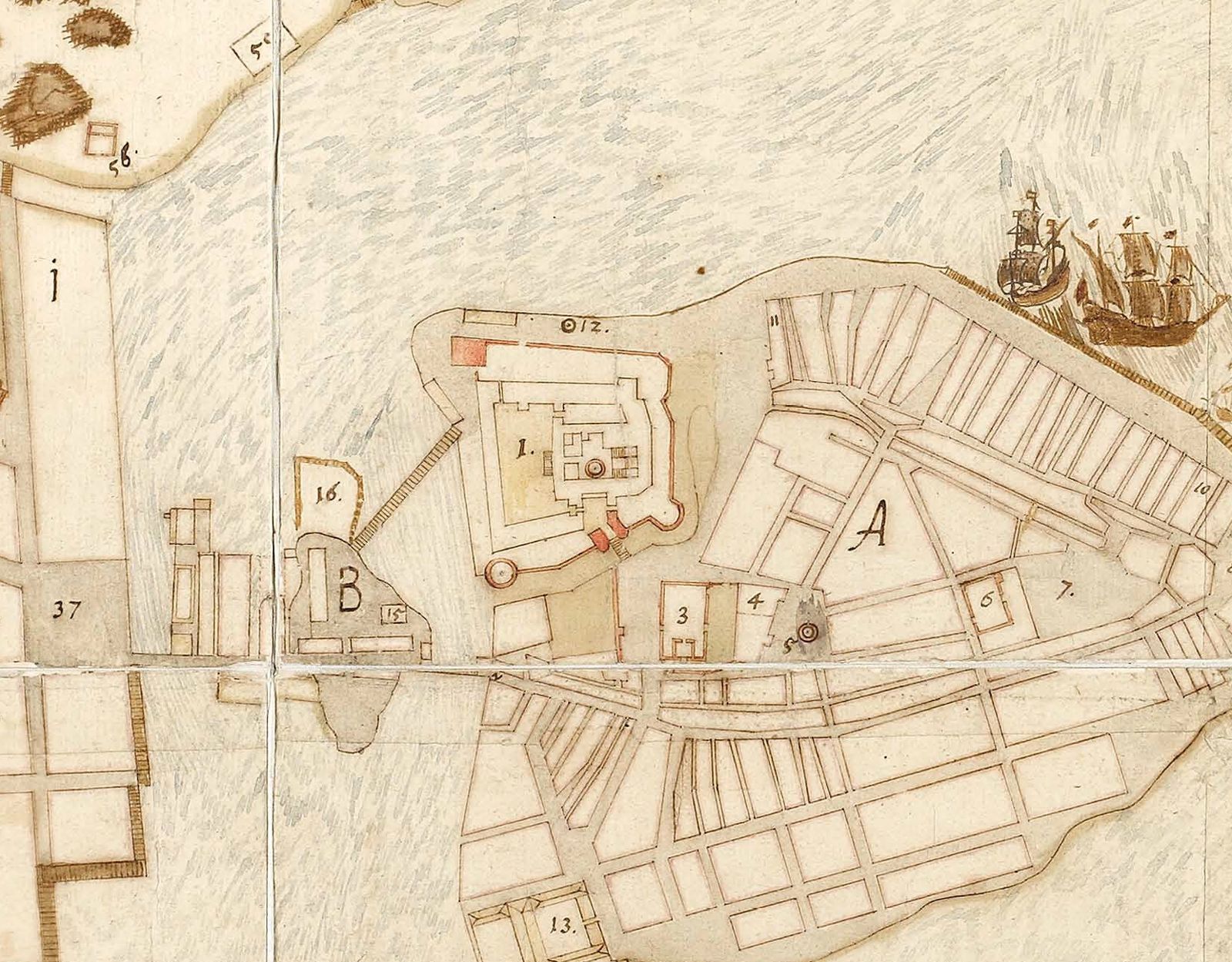
In 1647, two years before Descartes arrived, Queen Christina’s court was in the castle of Tre Kronor (the Three Crowns) on the island at the center of Stockholm.
The French resident at her court, Hector-Pierre Chanut, had arrived in 1645. He was the brother-in-law of Claude Clerselier, Descartes’s friend and translator, and it was Chanut who got the Queen and the philosopher writing to each other.
In 1647 the Queen’s questions began reaching Descartes through Chanut. In February he wrote Chanut a long letter on the nature of love, answering questions from the Queen’s circle. On 20 November he wrote to the Queen herself, on the supreme good.
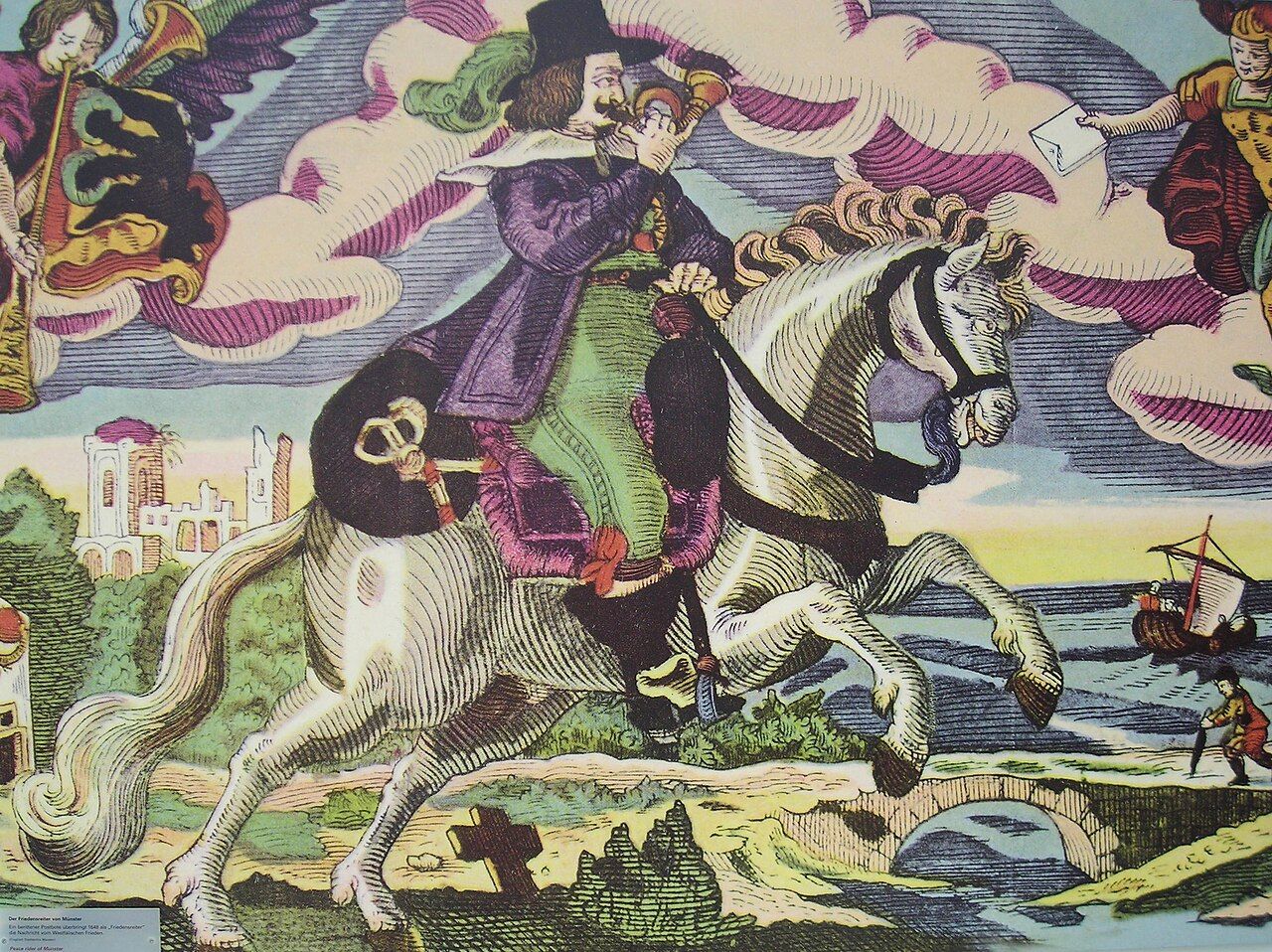
A letter from Stockholm took weeks to reach Descartes, and weeks more for a reply to come back.
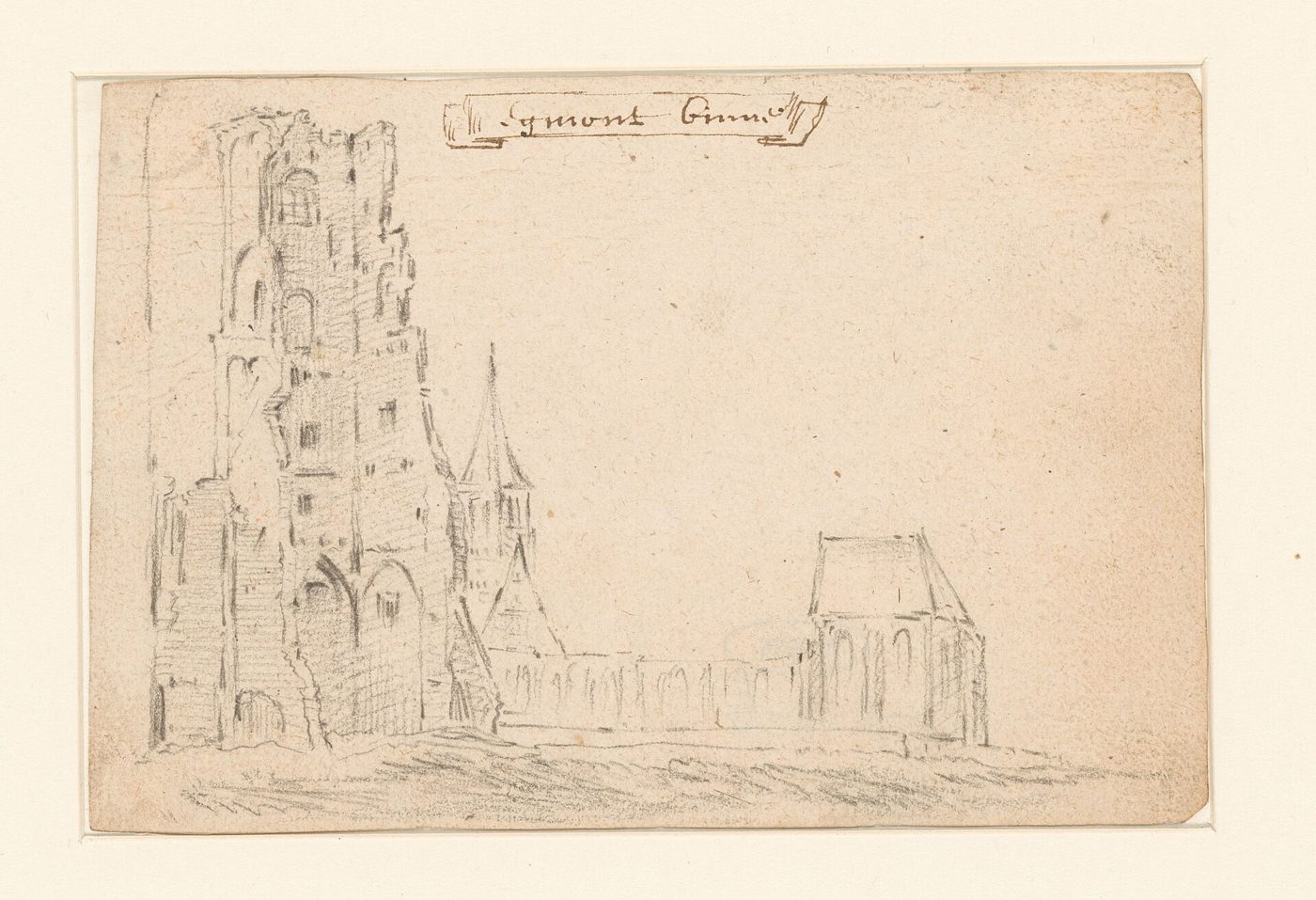
In 1647 Descartes was fifty-one. He had lived in the Dutch Republic for most of twenty years, and since 1643 he had been living at Egmond-Binnen, a village in North Holland near the dunes and the North Sea.
This drawing of Egmond-Binnen shows the ruins of the old abbey, which had been destroyed in 1573, during the revolt against Spain.
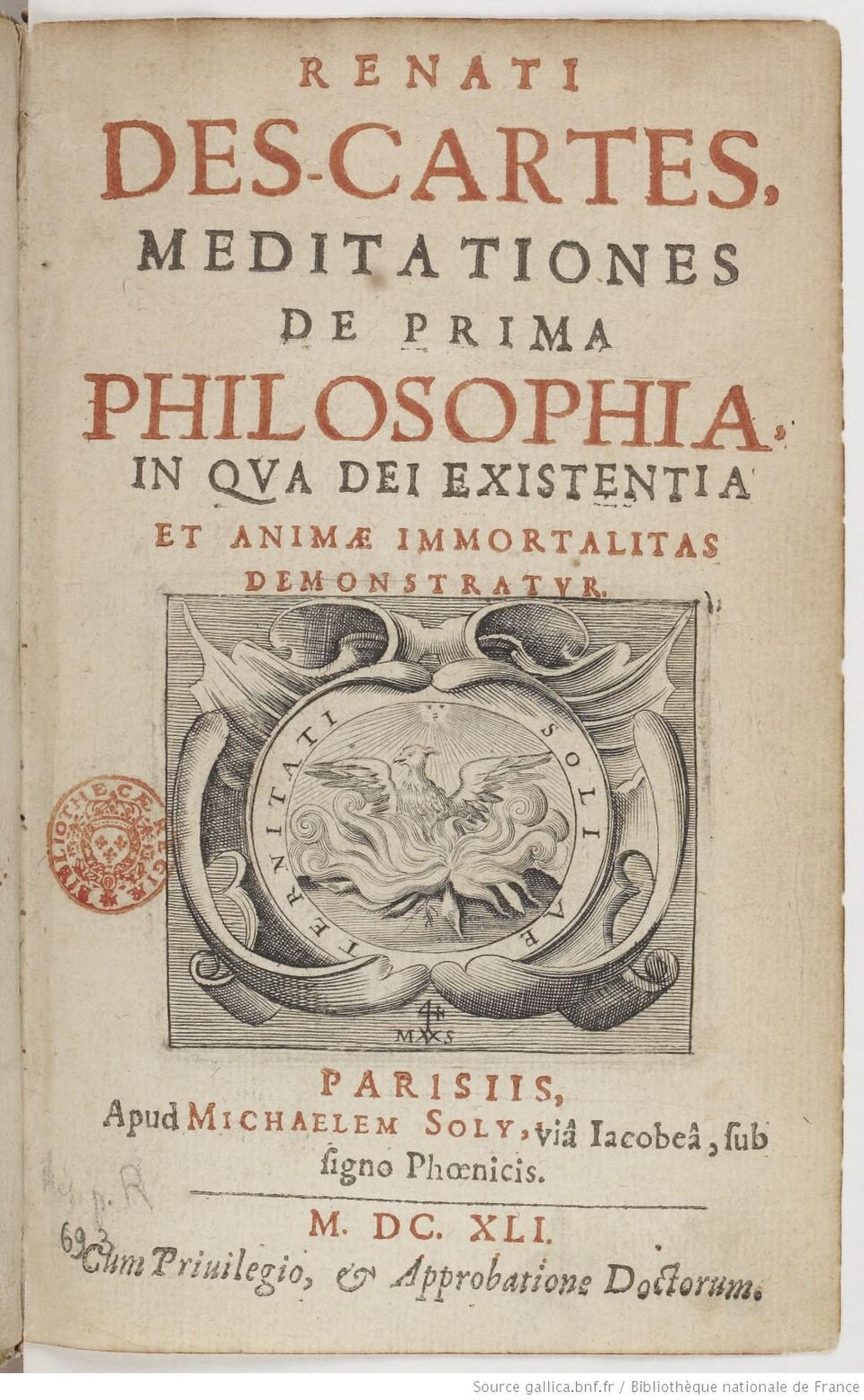
In 1641 René Descartes published his Meditations on First Philosophy, written as if it were taking place over six days of reflection. In the first Meditation, Descartes sets out to doubt everything he can: what his senses tell him, whether he is awake or dreaming, even whether a powerful deceiver might be making him go wrong about everything he thinks he knows. In the second Meditation he finds one thing he cannot doubt: that he exists, for as long as he is thinking. On that foundation, and on a proof that God exists and is not a deceiver, he sets out to rebuild the rest of what he knows.
It was printed together with objections from some of the best-known thinkers in Europe, and Descartes’s replies to them.
In this simulation, you are Lindgren, a young scholar at the Queen’s court, educated at Uppsala and Leiden. The Queen has been reading the Meditations, and she has questions she wants M. Descartes to answer. She has no time to write to him herself. That task is yours.
It is Stockholm, late autumn 1647. A wood fire burns in the fireplace in the Queen’s small library. Queen Christina’s copy of the Meditations lies open on the table.
She is waiting to talk to you.